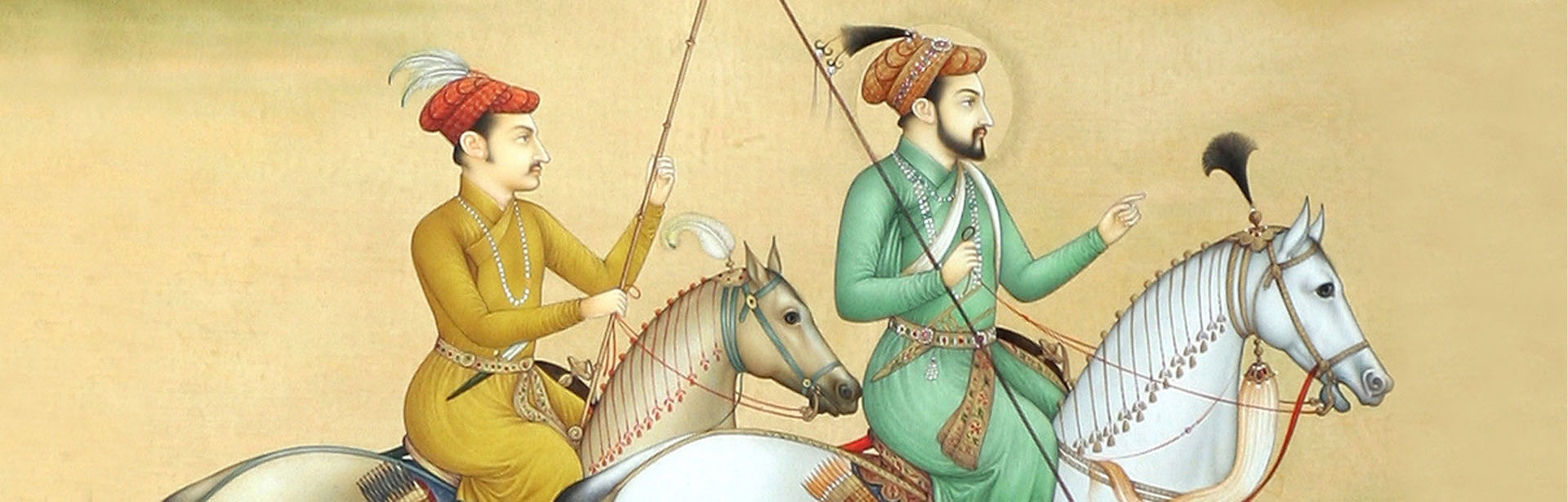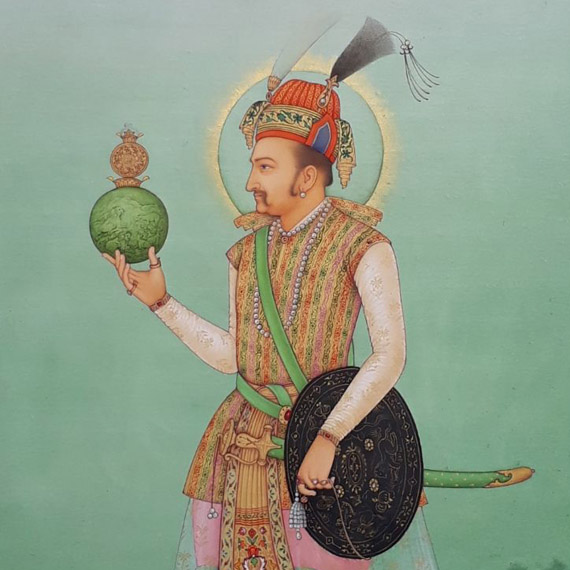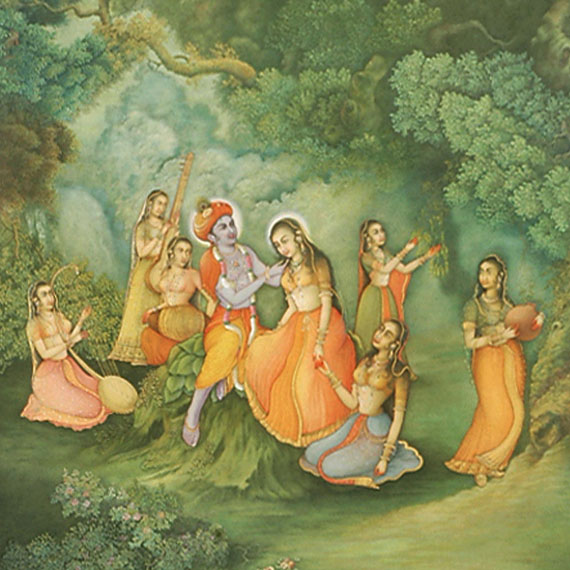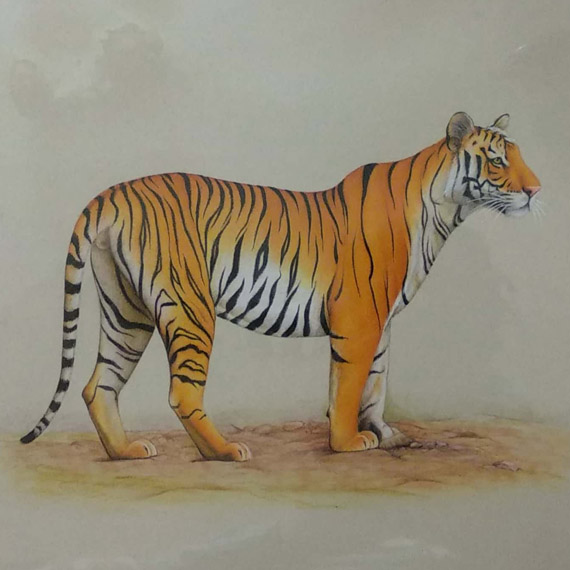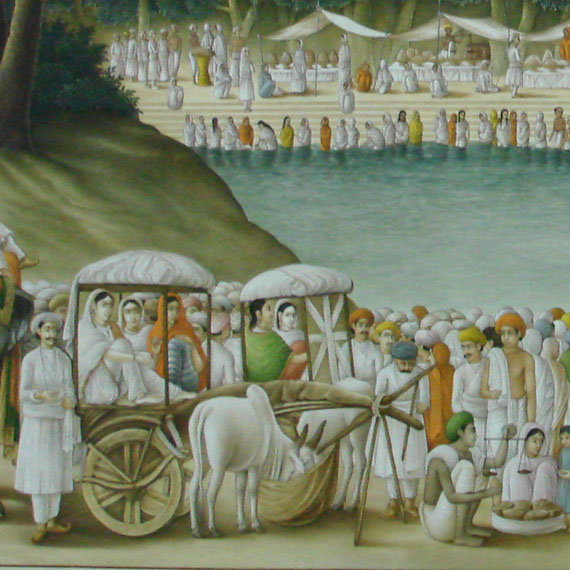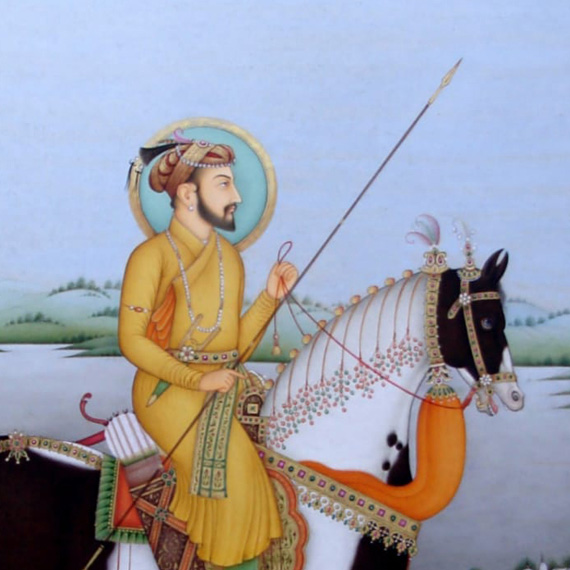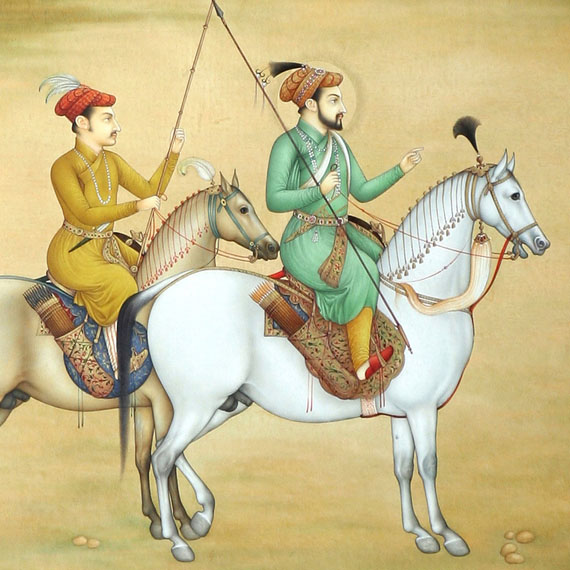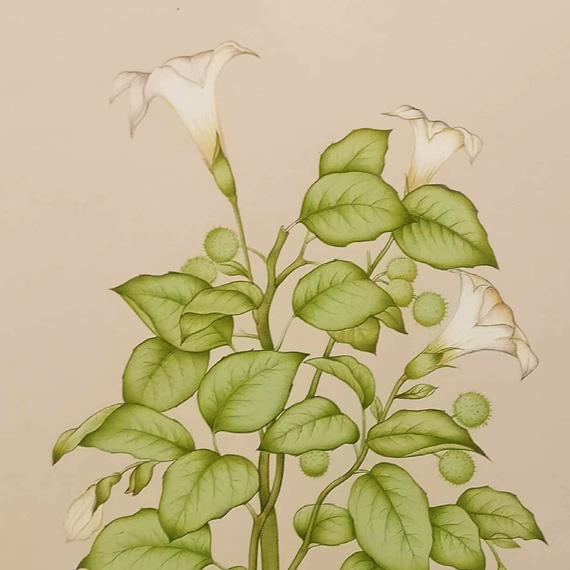

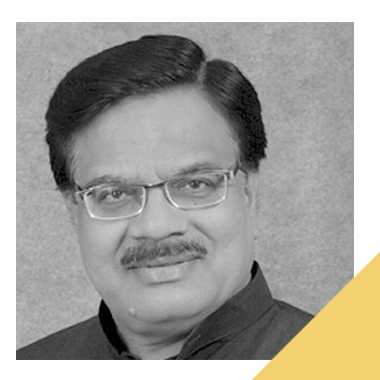
Born in 1956, S. Shakir Ali is among the foremost practitioners of Persian-Mughal miniature painting and Islamic illustration in contemporary India. Continuing a tradition that traces back to the Mughal ateliers of the sixteenth century, Ali’s practice draws upon a synthesis of Indian and Safavid Persian aesthetics. The Mughal miniature tradition, which flourished under imperial patronage, particularly during the reign of Akbar, represents an important moment in the subcontinent’s visual history. Characterized by its combination of narrative subtlety, detailed ornamentation, and refined technique, the form reached its highest expression under Jahangir. Shakir Ali’s work engages this legacy not as a static inheritance but as a living, evolving practice.
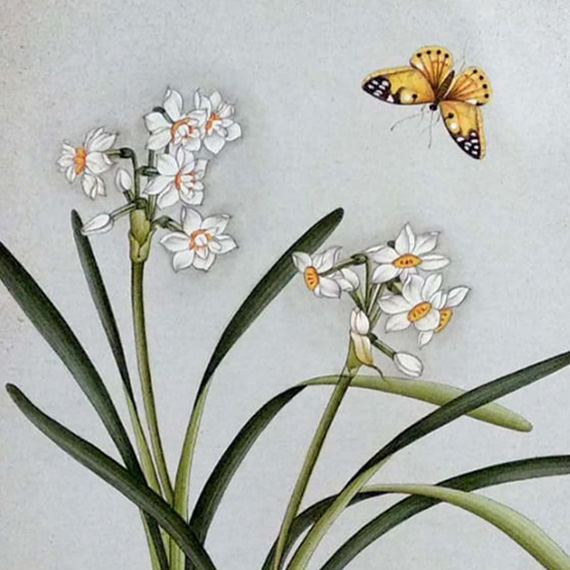
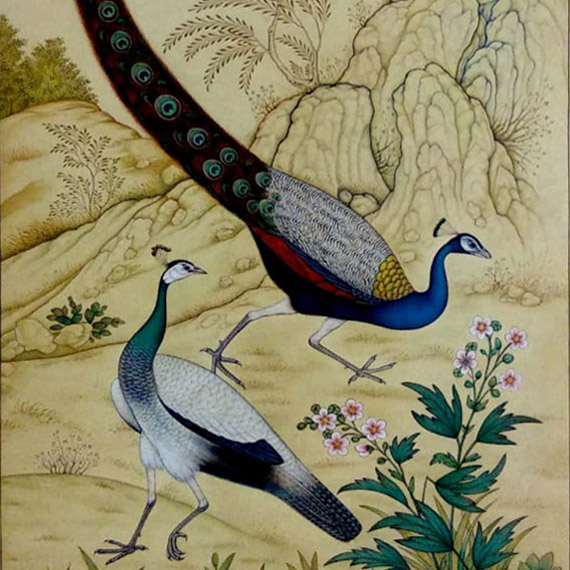
His paintings adhere to the traditional technique of opaque watercolour on paper, beginning with a carefully constructed underdrawing in charcoal or fine ink. Layers of translucent pigment are then built up, often over burnished surfaces that lend a luminous smoothness to the composition. The process demands patience and control with each colour applied with deliberation, gradually defining the image. The final detailing, executed with a single haired brush, reveals a level of intricacy that often requires magnification to fully appreciate.
While remaining in a traditional framework, Shakir Ali’s artistic practice extends beyond revivalism. He experiments with contemporary themes and formats, producing modern miniatures that respond to current artistic and cultural contexts. This dual engagement, with historical continuity and contemporary expression, positions his work within a broader discourse on the relevance of miniature painting today.
Shakir Ali has exhibited widely, including at the India Fair in Dubai, the Festival of India in Brussels, and major venues such as the Jehangir Art Gallery in Mumbai. His works are held in numerous private collections in India and abroad. Equally significant is his role as a educator: through workshops, lectures, and sustained mentorship, he has trained over 2,000 students. His achievements have been recognised with several awards, including the National Award (1993), the Padmashri (2013), the Excellence Award (2014), the Shan e Rajastham om 2015 among others